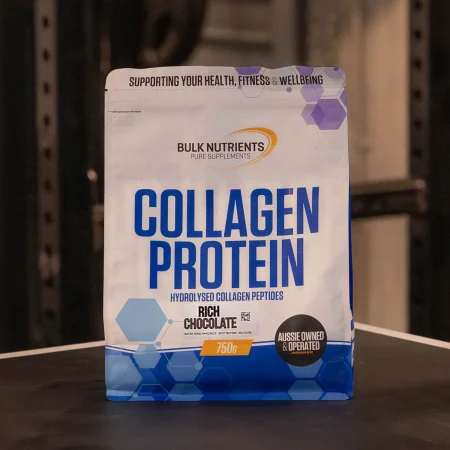
Peptides have become increasingly popular among teenagers through social media, fitness communities, and skincare trends. Many young people are interested in peptides for teens because of claims related to muscle growth, workout recovery, skin health, and overall wellness. However, understanding what peptides are, how they work, and whether they are appropriate for teenagers is important before considering any peptide product.
Peptides are short chains of amino acids that play roles in many biological processes, including tissue repair, collagen production, and communication between cells. While some peptides have legitimate medical uses, many products marketed online for fitness, recovery, or appearance have limited research, especially for adolescents whose bodies are still developing.
What Are Peptides?
Peptides are made up of amino acids, which are the building blocks of proteins. The body naturally produces many peptides that help regulate important functions such as tissue maintenance, hormone activity, and cellular communication.
Some peptides are found naturally in the body, while others are created for specific purposes. They may be used in:
- Medical treatments
- Skincare products
- Dietary supplements
- Research settings
However, not all peptides are the same. A collagen peptide supplement and an injectable peptide marketed for muscle growth have very different purposes and safety considerations.
Why Are Teens Interested in Peptides?
Interest in peptides among teenagers has grown because of online fitness and wellness trends. Social media often promotes peptides as tools for achieving faster results, including:
- Building muscle
- Improving workout recovery
- Supporting skin appearance
- Changing body composition
However, many claims online do not always reflect the level of scientific evidence available. Some popular injectable peptides promoted for performance and recovery have limited human research and unclear long-term safety information.
Are Peptides Safe for Teens?
The safety of peptides for teenagers depends on the specific peptide, its purpose, and whether it is being used under medical supervision.
Teenagers are still going through important stages of growth and development. Hormonal systems, bones, muscles, and other body processes are naturally changing during adolescence. Introducing biologically active compounds without professional guidance may create unnecessary risks.
Health organizations also caution that many supplements marketed for children and teenagers have not been adequately studied in younger populations. Products promoted for bodybuilding or performance may contain ingredients that have not been evaluated for adolescent safety.
Potential Benefits of Peptides for Teens
While some peptides may have potential uses, benefits depend on the type of peptide and the available evidence.
Skin Health and Collagen Support
Some peptide-based skincare products are used to support the appearance of skin. Collagen peptides, for example, are commonly used as dietary supplements because collagen is a structural protein involved in skin and connective tissues.
Teenagers may encounter peptide products marketed for:
- Supporting skin hydration
- Improving skin appearance
- Supporting collagen production
However, topical skincare peptides and dietary collagen peptides are different from injectable peptides designed to influence biological pathways.
Exercise Recovery
Some teens interested in sports and fitness look into peptides because of claims about faster recovery or improved performance.
However, many performance-focused peptides do not have enough research to confirm their safety or effectiveness for healthy teenagers. Experts note that evidence for many trending injectable peptides remains limited, with long-term effects still unclear.
For young athletes, proven foundations remain important:
- Consistent training
- Adequate protein intake
- Enough calories
- Proper sleep
- Recovery between workouts
Risks of Peptide Use in Teenagers
Hormonal Effects
Some peptides influence biological pathways connected to hormones. Since teenagers are naturally experiencing hormonal changes during puberty, using certain peptides without medical supervision may interfere with normal development.
The concern is especially relevant for peptides marketed for muscle growth, fat loss, or performance because these products may affect systems that regulate growth and metabolism.
Limited Long-Term Research
A major concern with many peptide products is the lack of long-term safety data.
Some online peptide products have:
- Limited human studies
- Unclear dosing information
- Insufficient research on younger users
Many claims about popular wellness peptides are based on early research, animal studies, or anecdotal experiences rather than large human trials.
Product Quality Concerns
Another issue is product quality. Some peptides sold online may come from sources with limited oversight.
Potential concerns include:
- Incorrect labeling
- Contamination
- Unknown ingredients
- Improper storage
Regulatory agencies have raised concerns about unapproved peptide products because some have not been evaluated for safety, quality, or effectiveness.
Possible Side Effects
Side effects vary depending on the peptide and how it is used.
Possible concerns may include:
- Injection site reactions
- Allergic responses
- Unwanted hormonal effects
- Other unknown effects
Because teenagers may respond differently from adults, medical advice is important before using any peptide product.
Collagen Peptides vs Performance Peptides
It is important to understand that the term “peptides” covers many different products.
Collagen Peptides
Collagen peptides are broken-down collagen proteins commonly used in supplements. They are generally discussed as a source of dietary protein and collagen-derived amino acids.
Performance Peptides
Performance-related peptides are often marketed for goals such as:
- Muscle growth
- Recovery
- Fat loss
- Hormone-related effects
These products may work through different biological pathways and often require more caution, especially for younger users.
Should Teen Athletes Use Peptides?
For most healthy teenagers, focusing on basic health and training habits is the most reliable approach.
Teen athletes can support performance through:
Proper Nutrition
A balanced diet with enough protein, carbohydrates, fats, vitamins, and minerals supports growth and athletic performance.
Quality Sleep
Sleep supports recovery, learning, and normal development.
Smart Training
A structured training plan with proper technique helps teenagers build strength while reducing unnecessary injury risks.
Recovery Management
Rest days, proper hydration, and appropriate training intensity are important parts of athletic progress.
Before considering peptide products, teenagers should discuss their goals with a healthcare professional, coach, or qualified nutrition expert.
Questions to Ask Before Using Peptides
Teenagers and parents should consider:
Is This Peptide Approved for Teen Use?
Many peptides promoted online are not specifically studied for adolescents.
Is There Strong Human Research?
Online testimonials and influencer claims do not replace scientific evidence.
Is It Necessary?
Many fitness and appearance goals can be achieved through nutrition, exercise, sleep, and consistent habits.
Has a Healthcare Professional Reviewed It?
Professional guidance can help determine whether a product is appropriate.
Safer Ways to Support Growth and Fitness
Teenagers have significant potential to improve strength, athletic ability, and overall health through established habits.
Focus on:
- Eating enough nutrient-rich foods
- Following a structured exercise routine
- Getting adequate rest
- Maintaining consistency
- Learning proper training techniques
These habits support long-term progress without relying on products with uncertain safety profiles.
Final Thoughts
Interest in peptides for teens continues to grow, especially through fitness and skincare trends. While some peptides have legitimate uses, many products marketed for muscle growth, recovery, and performance do not have enough research to confirm their safety for teenagers.
Because adolescents are still developing, caution is important. Understanding the differences between peptide types, reviewing available evidence, and speaking with qualified professionals can help teens make better decisions.
For those interested in learning more about peptides, collagen supplements, and nutrition topics, BioOptimal Supplements provides educational resources and supplement information focused on quality, transparency, and informed choices.