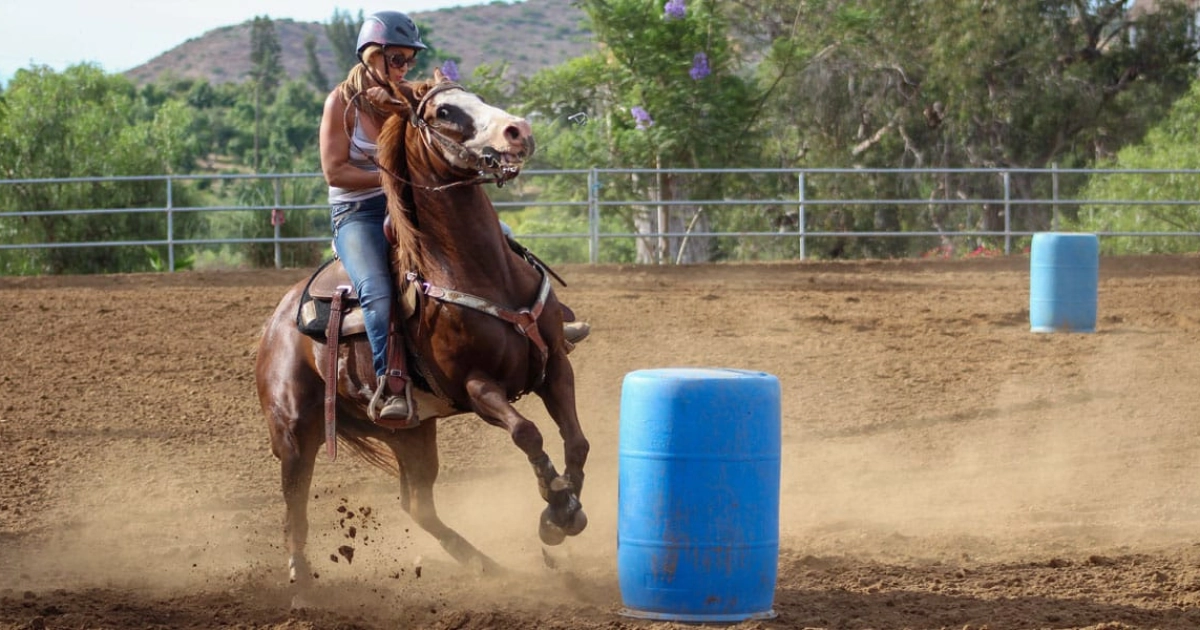
Barrel racing is one of the most exciting events in the equestrian world. The combination of speed, precision, and teamwork between horse and rider makes it popular among competitors and spectators alike. However, because the sport involves high-speed runs, sharp turns, and powerful athletic horses, many people ask: is barrel racing dangerous?
Like many equestrian disciplines, barrel racing carries certain risks. Riders and horses can experience injuries due to falls, sudden movements, or the physical demands placed on the body. However, proper training, suitable equipment, responsible horse care, and safe riding practices can help reduce many of these risks.
What Makes Barrel Racing Challenging?
Barrel racing is a timed event where horse and rider complete a cloverleaf pattern around three barrels as quickly as possible. Success requires speed, balance, coordination, and trust between the rider and horse.
Unlike slower-paced riding disciplines, barrel racing involves:
- Rapid acceleration
- Tight turns
- Sudden changes in direction
- High levels of concentration
- Precise timing between horse and rider
These factors create excitement but also increase the physical demands on both the horse and rider.
Why Can Barrel Racing Be Dangerous?
The main risks in barrel racing come from the speed and movement involved. Horses are powerful athletes, and even experienced riders cannot eliminate every possibility of an accident.
Falls During High-Speed Runs
Falls are one of the most common concerns in equestrian sports. During barrel racing, horses and riders move quickly while making sharp turns, which can increase the chance of losing balance.
A horse may slip, misjudge a turn, or react unexpectedly. Riders may also fall if they lose their position or if the horse makes a sudden movement.
Equestrian injuries are often linked to falls, being thrown, or accidents involving the horse itself.
Injuries From Tight Turns
The sharp turns required in barrel racing place significant physical demands on the horse. The horse must slow down, shift weight, and accelerate again within seconds.
Repeated stress from tight turns can contribute to issues such as forelimb strain, joint stress, and lameness if horses are not properly conditioned and managed.
Rider Injuries
Riders may experience injuries from falls, including:
- Broken bones
- Sprains
- Head injuries
- Back injuries
- Soft tissue injuries
Protective equipment, including properly fitted helmets, can help reduce the severity of some injuries. Studies of equestrian activities have shown that riding carries injury risks, particularly when falls occur.
Is Barrel Racing More Dangerous Than Other Horse Sports?
The answer depends on how risk is measured. All equestrian disciplines have different challenges.
Jumping sports involve obstacles and landing forces. Racing involves speed and competition pressure. Rodeo events can include additional risks related to livestock and high-intensity movements.
Barrel racing is considered a speed event because the goal is completing the course as quickly as possible. While timed events may have different risk profiles compared with other rodeo activities, serious injuries can still occur.
The level of risk often depends on factors such as:
- Rider experience
- Horse training
- Competition environment
- Arena conditions
- Safety equipment
- Preparation before competition
How Riders Can Make Barrel Racing Safer
Although no sport involving horses is completely risk-free, riders can take steps to improve safety.
Proper Horse Training
A well-trained barrel horse understands the pattern, responds to rider cues, and builds confidence over time.
Training should focus on:
- Controlled speed
- Correct turning technique
- Strength development
- Balance
- Recovery between workouts
Rushing a horse into competition without proper preparation can increase injury risk.
Conditioning and Horse Care
Barrel horses need appropriate conditioning because the sport places stress on muscles, joints, and ligaments.
A proper conditioning program may include:
- Gradual increases in exercise intensity
- Recovery days
- Regular veterinary checks
- Attention to movement changes
Early attention to signs of discomfort can help prevent minor problems from becoming serious injuries.
Using Appropriate Safety Equipment
Rider safety equipment can make an important difference.
Common safety gear includes:
- Approved riding helmets
- Proper footwear
- Protective vests for competition or training
- Well-maintained saddles and tack
Equipment should fit correctly and be inspected regularly to ensure it functions properly.
The Importance of Proper Saddle Fit
A properly fitted saddle helps both horse and rider maintain balance during movement. An uncomfortable saddle can affect the horse’s performance and the rider’s stability.
Riders should regularly check:
- Saddle fit
- Girth placement
- Stirrup length
- Tack condition
A comfortable horse is more likely to perform confidently and consistently.
Is Barrel Racing Safe for Beginners?
Barrel racing can be enjoyed by riders at different skill levels, but beginners should build experience gradually.
New riders should focus first on:
- Basic riding skills
- Horse communication
- Balance and control
- Arena safety
Learning the fundamentals before practicing speed patterns helps create a stronger foundation for future competition.
Balancing Speed and Safety
The excitement of barrel racing comes from the connection between horse and rider working together at speed. However, successful riders understand that performance depends on preparation rather than simply going faster.
Safe barrel racing requires respect for the horse’s abilities, proper training methods, and attention to rider protection. When approached responsibly, the sport can provide a rewarding experience while managing many of its risks.
Whether you are interested in learning about barrel racing, improving your riding skills, or finding quality equipment for your horse, working with experienced equestrian professionals can help you make informed decisions. Saddle Up Colorado provides saddles, tack, and resources to support riders across different disciplines and experience levels.